


Indiana’s timberland grew from 3 .896 million acres in 1967 to 4.604 million acres in 2019, and about 83% of the state’s forestland is privately owned. That means most land clearing choices rest with property owners, not the state.
From what we’ve seen, many landowners know what they want but not how to clear land in Fort Wayne the right way. This guide is for homeowners and landowners who want a clear path before cutting a single tree.
The four steps described in this blog cover land clearing from start to finish: plan, choose a method, clear, and clean up. You will know what to ask, what to avoid, and when to call a pro.
For background, read our article on whether clearing land increases property value. We’ll also look into forestry mulching next. Meanwhile, this page on what is land clearing pulls them all together.
Short Summary
- Plan first. Define your goal, walk the site, decide which trees stay, call 811, and check local regulations.
- Choose a method by vegetation density and terrain: forestry mulching, manual clearing, mechanical clearing, or permit-dependent controlled burning.
- Clear in order: brush first, then trees, then stumps and roots.
- Choose between stump grinding and full removal based on how you will use the land.
- Haul, chip, or mulch the debris, then protect bare soil and plan around drainage.
- Keep up with seasonal mowing and cutting back sprouts.
- Hire a pro for large trees, full stump extraction, sloped ground, or big acreage.
Step 1: Plan How to Clear Land and Check Local Rules
Every good job starts with a plan. A line often credited to Abraham Lincoln says to give the axe most of your attention before the first swing. That idea shapes every land clearing plan our crew builds.
Define Your Goal and Walk the Site
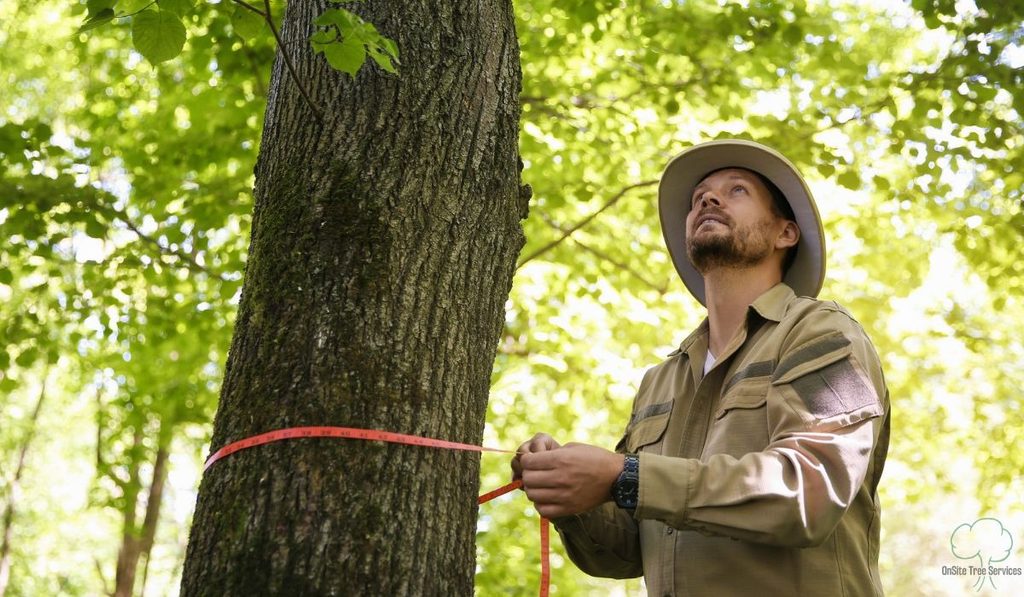
Start with the purpose of your land clearing project. Is it a home site, a pasture, a bigger yard, or a driveway? The goal decides how much comes out.
Next, walk the property and mark the boundaries. Flag steep slopes, wet spots, and any area machines cannot reach. Picture a pasture gate planned beside a soggy corner, and trucks sinking there every spring.
Decide Which Trees Stay
Use selective clearing to keep healthy mature trees that add shade, value, or wildlife habitats. For example, a big oak beside a future patio can cool the house for decades. Indiana gives you another reason to look closely.
About 72.3% of the state’s forestland is oak and hickory, according to the Indiana DNR. Mature hardwoods can carry timber value, so assess them before cutting. A pro from a logging service can tell you what the wood is worth.
Call 811 and Check With Local Authorities
Call Indiana 811 before any digging or stump work. Crews will then mark underground utilities. Nobody wants a struck gas line, after all. It can ruin more than a Saturday.
Confirm these items with your local authorities:
- Zoning laws that shape what you can clear on your lot
- Tree preservation rules
- Permits for work near streams or wetlands
Local regulations vary by county, so property owners should confirm before work starts. One phone call to the county office can prevent a stop-work order.
Step 2: Choose the Right Land Clearing Method and Equipment
The right land clearing methods depend on what grows on your lot. Match the tool to the job, and the work moves faster.
Compare the Main Land Clearing Methods
Here are the four options we use most:
- Forestry mulching: Grinds brush and small trees into mulch in place. Soil disturbance stays low, and no piles need hauling.
- Manual clearing: Chainsaws and hand tools handle light brush and small areas.
- Mechanical clearing: Heavy equipment such as excavators pulls large trees and stumps from dense vegetation.
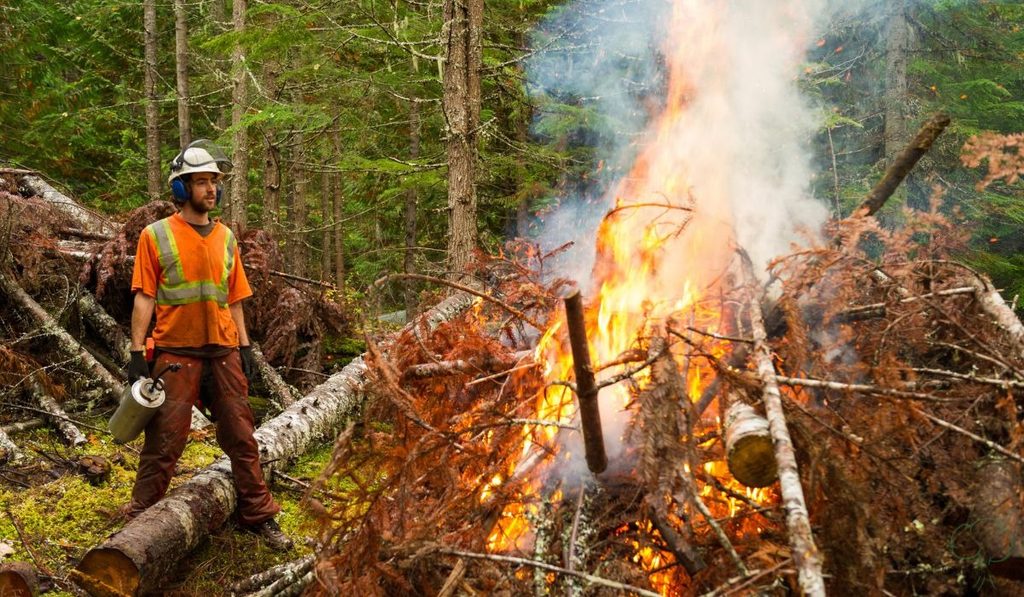
- Controlled burning: Indiana restricts open burning, so treat it as permit-dependent and a job for licensed professionals. IDEM requires prior approval for burning tree waste from land use changes, and local ordinances may be stricter than state rules. Check with IDEM and your local fire department first.
Land Clearing Methods at a Glance
| Method | Best For | Soil Disturbance | What’s Left Behind | Relative Cost |
| Forestry Mulching | Brush, small to mid-size trees | Low | Mulch layer | Moderate |
| Manual Clearing | Small areas, light brush | Low | Brush piles to haul | Low (labor-heavy) |
| Mechanical Clearing | Large trees, stumps, dense lots | High | Logs, stumps, root piles | Highest |
| Controlled Burning | Permitted brush piles only | Moderate | Ash | Varies by permit |
Say you own a fence line packed with buckthorn and small cedar. Mulching can clear it fast with little rutting.
Match Equipment to Vegetation Density and Terrain
Pick land clearing equipment by vegetation density and terrain:
- Light duty: chainsaws, brush mowers, and compact track loaders for brush and saplings.
- Heavy duty: forestry mulchers and excavators for large trees, thick roots, and dense growth.
Land clearing costs rise with vegetation density, tree size, and tough terrain. A quarter acre of saplings costs far less than a lot of thick oak.
Plan for Safety Before You Start
Review the main safety concerns before anyone starts a saw, like dead limbs, leaning trees, and hidden stumps or holes.
Emerald ash borer has killed many ash trees across northeast Indiana. Dead ash snaps without warning, so slow down and plan your escape path before each cut.
Step 3: Clear Brush, Remove Trees, and Handle Stumps
The land clearing process works best in a set order. Work from the ground up, and each stage makes the next one easier.
Clear Overgrown Brush First
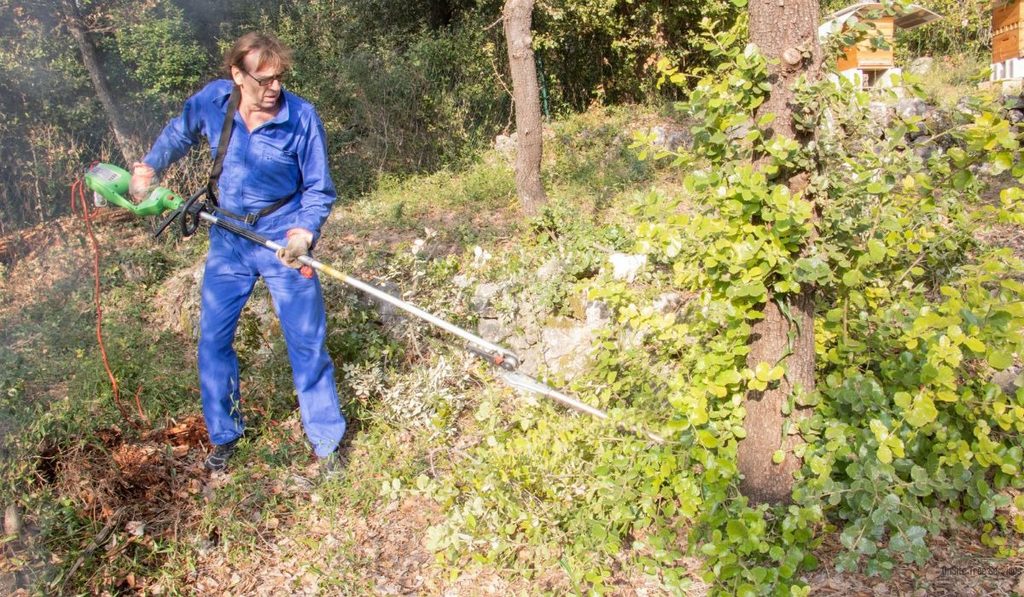
Start the process at ground level. Mulch or mow overgrown brush first, along with brush and small trees like saplings. This opens access lanes so crews and machines can reach the trees safely.
Picture a crew hauling saws through a thicket of multiflora rose. Clear lanes save time and plenty of scratched arms.
Fell and Sort Trees
Remove the trees you marked in Step 1. Tree clearing differs from single tree removal. A single removal targets one tree, often near a house or fence.
Clearing takes down many trees across a site, so crews plan drop zones and machine paths for the whole area. Sort felled large trees by size as you go:
- Saw logs: straight, thick trunks that a mill may buy
- Firewood: mid-size sections and heavy limbs
- Chipping material: small limbs and tops
Remove Tree Stumps and Roots
Your plans for the land decide how to handle tree stumps. Compare these two choices:
- Stump grinding: Cuts the stump a few inches below ground. It disturbs less soil, which suits yards and pasture.
- Full stump removal: Pulls the stump and main roots. This suits building pads and driveways.
Leftover tree roots can re-sprout or rot. Rotting roots leave soft spots that sink over time. Trust us, nobody wants a driveway with a surprise dip.
Step 4: Manage Debris and Keep Cleared Land Clear
Cleanup decides how the lot looks next spring. A few smart choices now protect your soil and your investment.

Haul It, Chip It, or Mulch It
Compare your options for what’s left behind. Debris hauling moves logs and brush off site, which suits lots that need bare, buildable ground. Chipping or mulching on site keeps material in place and cuts truck trips.
Planning a garden bed or a pasture? Mulch adds organic matter and protects bare ground while the soil recovers.
Protect the Soil and Prevent Regrowth
Bare ground washes away fast in an Indiana spring rain. Basic erosion control starts right away: spread mulch or seed bare areas quickly to limit soil erosion. Plan around proper drainage too, and watch where water flows after a storm.
Ongoing maintenance keeps brush and invasive plants from returning. Try this simple routine:
- Mow on a seasonal schedule
- Cut back sprouts while they are young and soft
- Recheck bare patches after heavy rain
Final Thoughts
Knowing how to clear land comes down to four steps. Plan the project and check local rules, choose a method, clear the brush, trees, and stumps, then handle the debris. Skip one, and you will hear about it by spring.
Some jobs are best left to a crew. Your project may need a pro if it has any of these:
- Trees too large to fell safely
- Stumps that need full extraction
- Sloped ground or hard-to-reach spots
- Acreage too large for hand tools
Larger jobs call for professional land clearing services, and solid site preparation sets up everything that follows. Got a lot in mind? Visit our homepage to learn more about OnSite Tree Services.