

Most homeowners assume tree removal covers everything, stump and all. It doesn’t. In 2026, professional tree removal averages between $820 and $992 nationwide, and stump removal is almost never part of that price.
A standalone service adds another $150 to $450 to the final removal cost. From our experience, this catches homeowners off guard more than anything else in the process. This guide breaks down what’s included, what is not, and how to avoid surprises when requesting a free quote.
If the question “Does tree removal include stump in Fort Wayne?” has crossed your mind, you’re in the right place.
We recently covered stump grinding vs removal in a previous article, and we will be publishing a guide on how to kill a tree stump naturally soon. For a broader look at options, our post on how to get rid of a tree stump has you covered.
Short Summary
- Tree removal and stump removal are separate jobs with separate costs.
- Skipping stump grinding invites pests, termites, and unwanted regrowth.
- Removal cost in Fort Wayne depends on stump size, location, and access.
- Indiana law requires calling 811 before grinding stumps to protect your property.
- Always ask for a free quote that covers both tree and stump work upfront.
Does Tree Removal Include Stump Removal by Default?
You’d think yes, but the answer might surprise you if you’ve never booked tree service before.
The Short Answer
Here’s the honest truth: Almost never. In our years of handling jobs around Fort Wayne, we’ve learned that tree removal includes stump services only when you specifically ask for it.
Companies treat them as separate services for good reason. It’s like hiring a painter to paint your house but assuming they’ll also fix your gutters. Two different tasks, two different price tags.
Different Tools for the Job
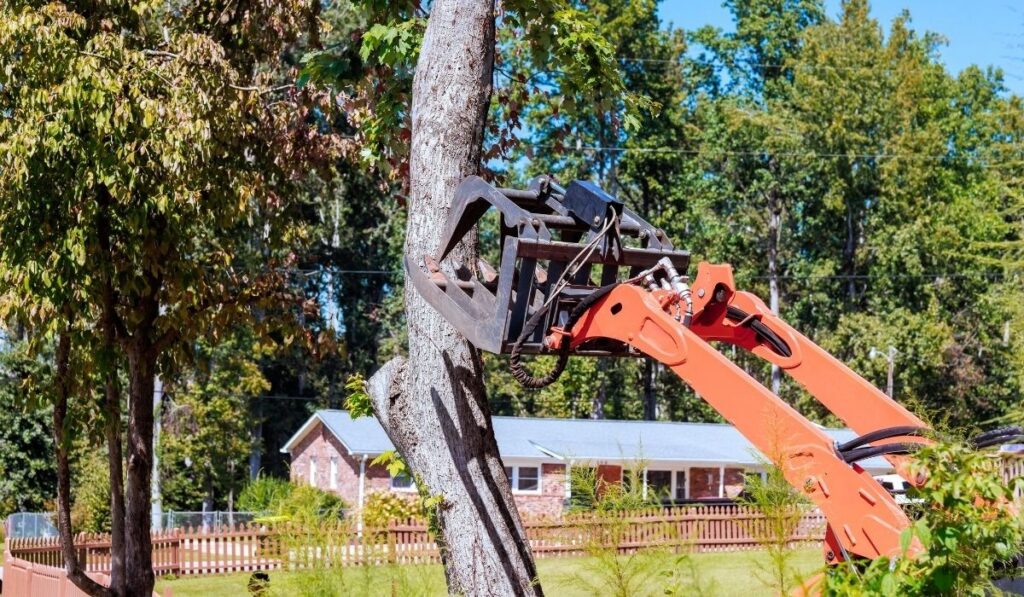
The job of cutting down a tree focuses on the trunk and branches. Crews show up with chainsaws, ropes, and sometimes a crane if the tree height makes things tricky near a house. That’s one set of tools and equipment.
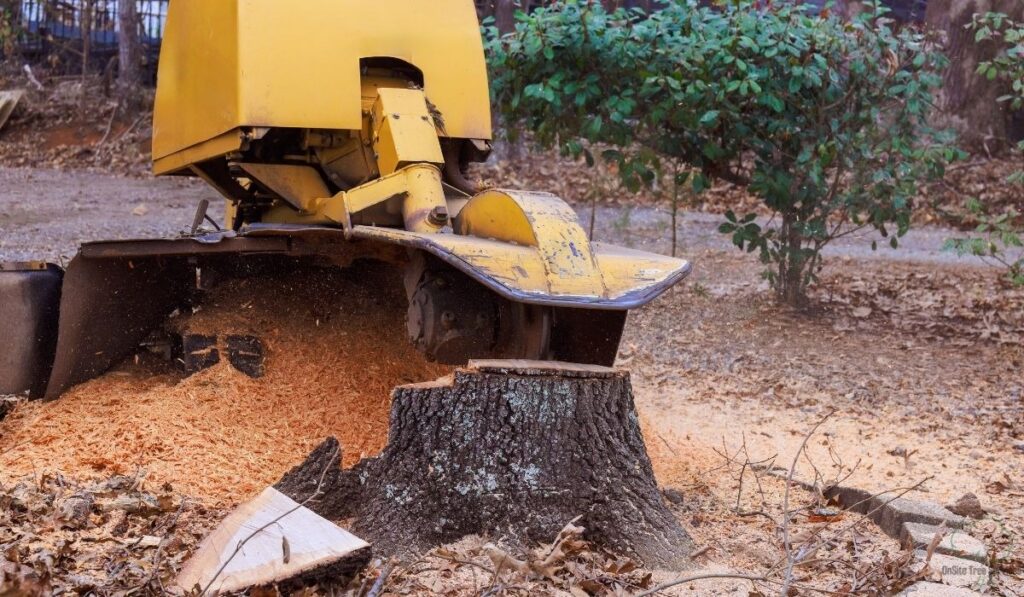
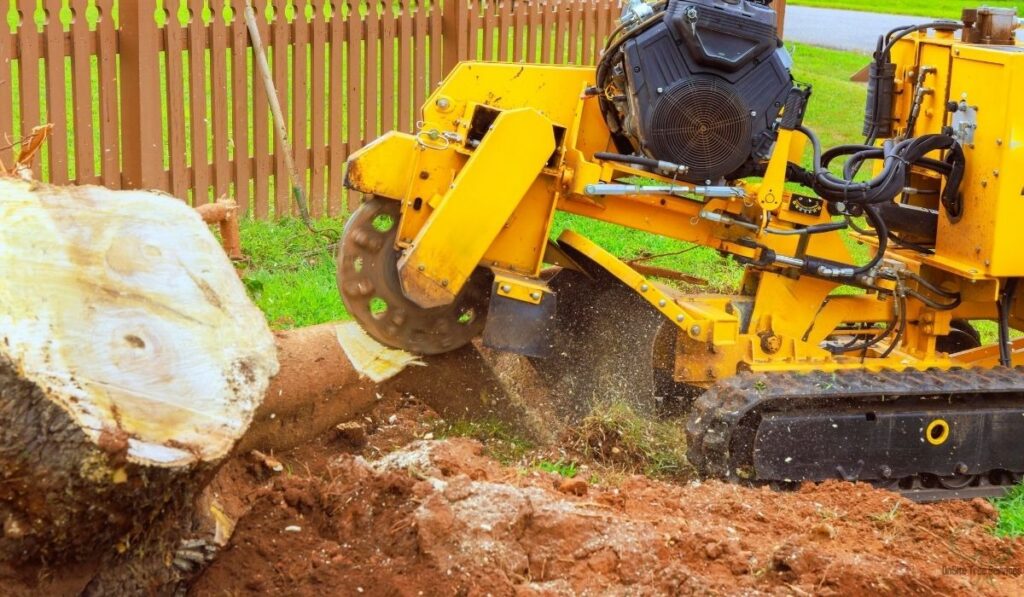
Grinding a stump requires a heavy duty stump grinder. It’s a whole different machine operated by someone with different training.
For example, we once had a customer assume the guys with chainsaws would just grind the stump afterward. They wouldn’t, of course, and were surprised to learn we needed to schedule a separate crew with different gear.

The Quote Process
So how do you determine what’s included? To start, never assume anything. When you call for a free quote, ask this direct question: Does this price cover removing a tree only or does it include stump removal too? We also recommend asking for line item pricing.
A good tree service will happily break it down. You want to see one cost for the tree removed and a separate cost for grinding. This transparency helps you avoid surprises when the bill arrives.
Stump Grinding vs. Complete Removal: Which Do You Need?
Once you decide to handle that leftover stump, you face another choice. Do you grind it down or dig the whole thing out? Each path serves a different purpose.
Stump Grinding: The Cost-Effective Choice
Stump grinding is the route most homeowners take. A stump grinder chews the wood down to about six inches below ground level. The root system stays put and decays naturally over time in the soil.
You get a pile of wood chips and mulch left behind which works great for flower beds or garden paths. It’s quick and cost effective.
Take a recent job we did on an old oak stump. We had it ground down in under an hour. The homeowner kept the chips for their landscaping. Easy fix!
Complete Removal: The Intensive Choice
Sometimes you need the entire tree stump gone. Complete removal means digging out the main stump and major roots. This matters for construction projects like pouring a new patio or driveway.
It also helps if you plan on replanting new trees or putting in a fresh lawn and grass where roots would block growth. This work takes heavy machinery and is far more labor intensive. That extra effort raises the final removal cost significantly.
Which Is Right for You?
Our rule of thumb: Grinding handles 90 percent of residential yards just fine. Choose complete removal when the root system sits where future construction or replanting will happen. That distinction saves you money and headache down the road.
4 Reasons You Shouldn’t Leave a Leftover Stump in Your Yard
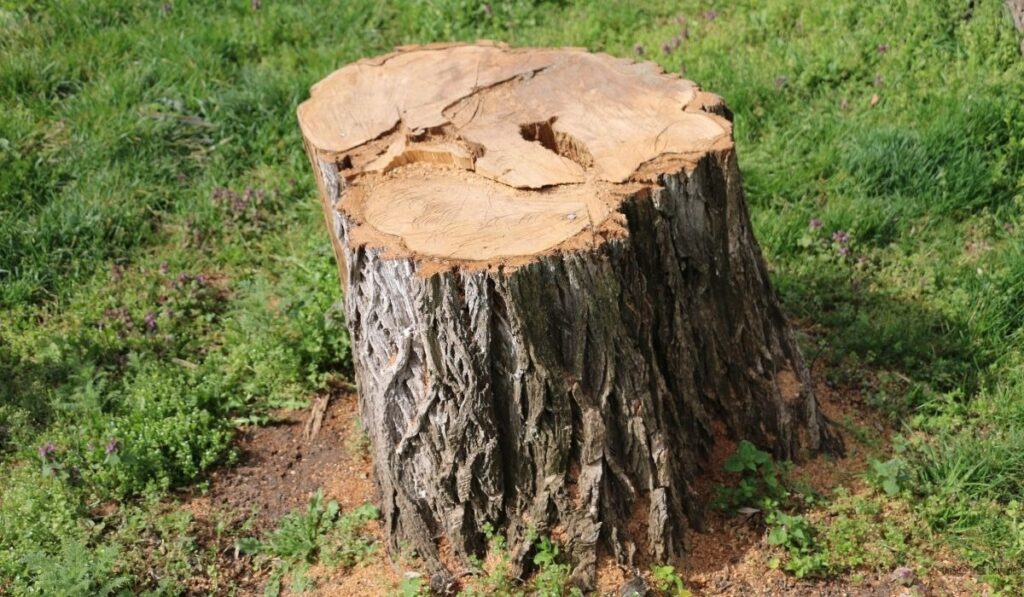
See that leftover stump that seems harmless? The one you figure will rot away on its own? Here’s what we’ve learned from decades of callbacks: ignoring it almost always leads to bigger headaches.
Here’s why:
1. Pest Infestations
All-you-can-eat buffets for bugs, that’s what decaying stumps are, basically. The wood softens as it rots, creating the perfect home for ants, beetles, and other pests. We once visited a property where the homeowner let a stump sit for two years.
By then, a massive carpenter ant colony had moved in. Those pest infestations do not stay contained to the stump. They spread outward toward your flower beds and eventually your home’s structure.
2. The Termite Threat
Here’s the big one. Rotting stumps attract termites like nothing else. Termites need moisture and wood to survive. A decaying stump delivers both. Once a colony establishes in your yard, they don’t stop there.
They spread outward looking for more food. Your home’s foundation becomes the next target. We have seen property damage from termites that started in a forgotten stump and ended with thousands in repairs. It breaks our hearts every time.
3. Safety and Liability
A visible stump might seem easy to avoid. Until someone trips over it at dusk. Safety matters for kids running through the yard, elderly relatives visiting, or even the mail carrier walking up your path.
Mowing around a stump also wrecks landscaping equipment.
4. Regrowth and New Shoots
Some tree species refuse to quit. Maples and Willows are notorious for sending up new shoots from the roots.
You might cut the tree down only to fight regrowth for years. Those shoots pop up in your lawn, your garden beds, everywhere. It turns into a weekly battle with pruning shears. Removing the stump stops this cycle cold.
2026 Cost Factors for Tree and Stump Removal in Fort Wayne
Pricing tree stump removal in Fort Wayne depends on several variables. We wish we could give one flat rate and call it done. But every property tells a different story. Here is what goes into our estimates.
Size and Stump Diameter
Size drives price. Plain and simple. A small stump from a younger tree might take 30 minutes. Large stumps from mature oaks or maples? Those can take few hours to grind completely.
The equipment works harder. The operator spends more time. That translates to higher removal cost. We measure every stump before quoting because guessing never ends well for anyone.
Location and Site Access
Where does the stump sit? That matters more than most folks realize. A stump in an open space with clear access is straightforward. We roll the grinder up, do the job, and leave.
But stumps tucked behind fences, next to foundations, or in tight garden corners require more finesse. The location might mean bringing smaller equipment or working by hand. That extra effort shows up in the price. We always assess access first during any estimate.
Indiana 811 Requirements (2026 Update)
Here’s a legal requirement you can’t skip. Grinding stumps in Indiana means calling 811 before any work starts. The law protects you (and us!) from hitting buried utilities.
As of 2026, HB 1247 updated the response timelines for utility locators. They now have specific windows to mark lines. Don’t worry though, we handle this for our customers.
It’s part of doing the job right. Never let anyone dig or grind on your property without this step. The safety risk is too high.
Site Restoration After Removal
What happens after the stump goes away? Tree removal and grinding leave behind different situations. Complete digging leaves a hole that needs soil and seed to fill. Grinding leaves a pile of mulch and wood chips. Both require some follow up landscaping on your part.
We recommend you plan for this ahead of time. Maybe you want grass there again. Maybe a new garden bed works better. Knowing your goal helps us recommend the right approach. Good tree care includes thinking about what comes next.
Final Thoughts
So, does tree removal include stump work? Not by default. That’s the simple truth we hoped to share here.
Tree removal and stump removal are two distinct jobs. Most crews handle the tree cutting and hauling first. They leave the stump behind, unless you add stump grinding to the plan.
But know that if you skip that step, pests move into the rotting wood. Property damage follows from termites or hidden hazards. Unwanted regrowth pops up from leftover roots. Extra costs sneak up too when fixes come later.
Fort Wayne homeowners deserve clear answers from the start. We keep things simple at OnSite Tree Services. Reach out for a free quote that spells out both tree and stump work upfront.
No surprises and no hidden add-ons. Just honest tree service for a clean yard. Drop byour homepage anytime to learn more about our services or get started.