

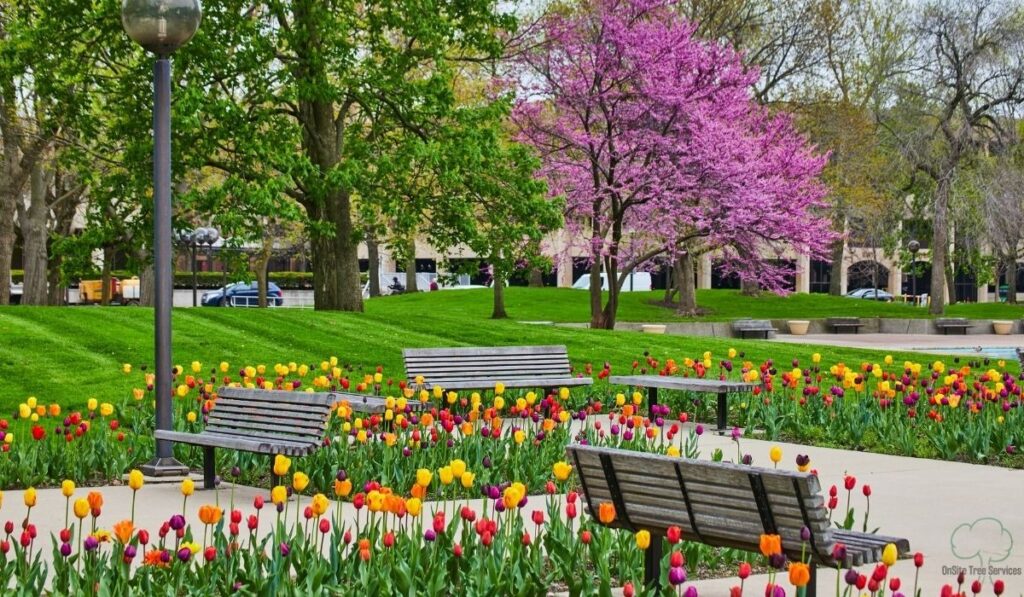
Fort Wayne is home to thousands of trees. That much is obvious. We’re Tree City USA, after all. But here’s something that might surprise you: more than half of our tree cover actually grows on private residential property. Not city parks, not public land, but right in our yards!
What’s funny is that most people have no idea their own backyard plays such a massive role in the local canopy, and that’s speaking from our experience. That’s why we want to share some surprising facts about trees in Fort Wayne in this guide.
We’ll show you how many trees are working hard right outside your window, fighting climate change and air pollution every single day. You’ll also learn how our urban trees impact everything from your utility bills to your property value.
And we’ll explain why protecting our local green space matters more now than ever.
If you’re wondering, “Are trees covered by insurance?” when storms hit, we covered that in our previous article about property protection. We’ve also examined the sobering statistics around tree falling on house deaths per year in a separate safety piece.
And our main pillar post covers tree law extensively for those needing legal context. For now, let us focus on the trees themselves and why they deserve our attention in 2026.
Short Summary
- More than half of Fort Wayne’s tree canopy grows on private residential property, putting tree care in homeowners’ hands
- Mature trees absorb nearly 50 pounds of carbon dioxide annually while producing enough oxygen for four people
- Native oak trees support hundreds of caterpillar species that feed local bird populations
- Tree rings reveal one light ring and one dark ring per year, helping scientists track climate patterns over centuries
- Trees improve water quality, lower cooling bills, reduce stress, and increase property values
- Dying trees show warning signs like thinning canopies and dead wood that signal when removal is necessary
15 Interesting Facts About Trees Every Homeowner Should Know
Trees shape property value, safety, and comfort more than most homeowners expect. Below are field-tested insights we’ve learned while caring for local landscapes and studying how tree species function in real neighborhoods.
1. Carbon Champions
Yes, trees absorb carbon dioxide every single day. In fact, the world’s forests absorb billions of tons of carbon dioxide annually, acting as powerful carbon sinks.
A dense yard canopy can absorb carbon dioxide and store more carbon over decades than sparse lots nearby.
2. The Lifespan of Oak Trees
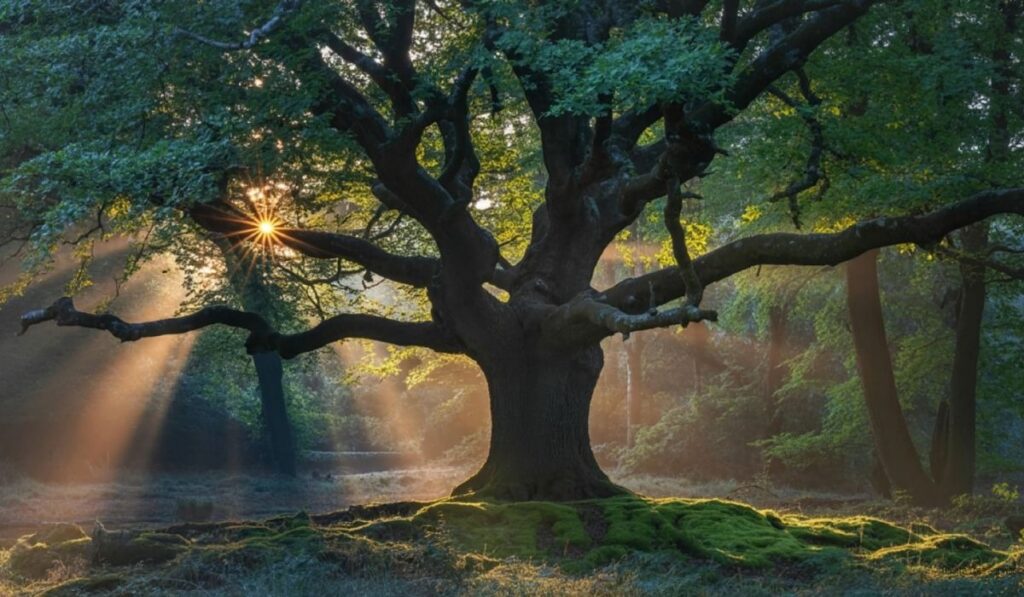
Few oak trees rival a healthy large oak tree in longevity. A single mature tree can store thousands of pounds of carbon over its lifetime. A single mature tree may eventually eventually absorb carbon dioxide at higher rates than a typical mature tree planted only decades ago.
3. Reading Tree Rings
Those visible tree rings tell stories. Each one light ring marks spring growth, while one dark ring forms during slower late-season growth. That light ring pattern helps scientists track drought cycles and even signals tied to climate change in the Midwest.
4. Oxygen Production
People often ask how much oxygen one tree produces. Get this: A typical mature tree can supply enough oxygen annually for several people. Beyond shade, trees release oxygen while filtering pollutants, which improves neighborhood air quality.
5. Native Trees & Wildlife
Healthy yards depend on native trees. Dozens of animal species and bird species rely on them for nesting and food. Thousands of tree species exist, yet endemic tree species in Indiana support more biodiversity than ornamental imports.
6. The “Moon Trees” Mystery
Few homeowners realize that real moon trees grow across America. These seedlings orbited the moon in 1971, and astronauts carried them on Apollo 14. The US Forest Service grew the seedlings later. And these incredible life giving plants still thrive today!
They prove that trees are incredible life giving plants, resilient even after space travel.7. Urban Temperature Control
Strategic planting matters. Urban trees and street trees act as natural air conditioning, lowering surface temperatures by several degrees. We’ve measured cooler pavement under nearby trees, and research shows green streets can even reduce stress levels.
8. The Smallest & Rarest
Scale varies wildly in nature. The world’s smallest tree is the Arctic dwarf willow, while the world’s tallest tree is a coastal redwood. The world’s rarest tree once survived as a single stemmed woody plant, and some call it the true rarest tree.
Meanwhile, bristlecones compete for world’s oldest tree status.
9. Root Systems
Most homeowners underestimate tree roots. Roots often spread two to three times the canopy width. When crews remove a trunk, that leftover tree stump can still affect tree growth nearby through decay or fungal spread.
10. Ancient Woodland Value
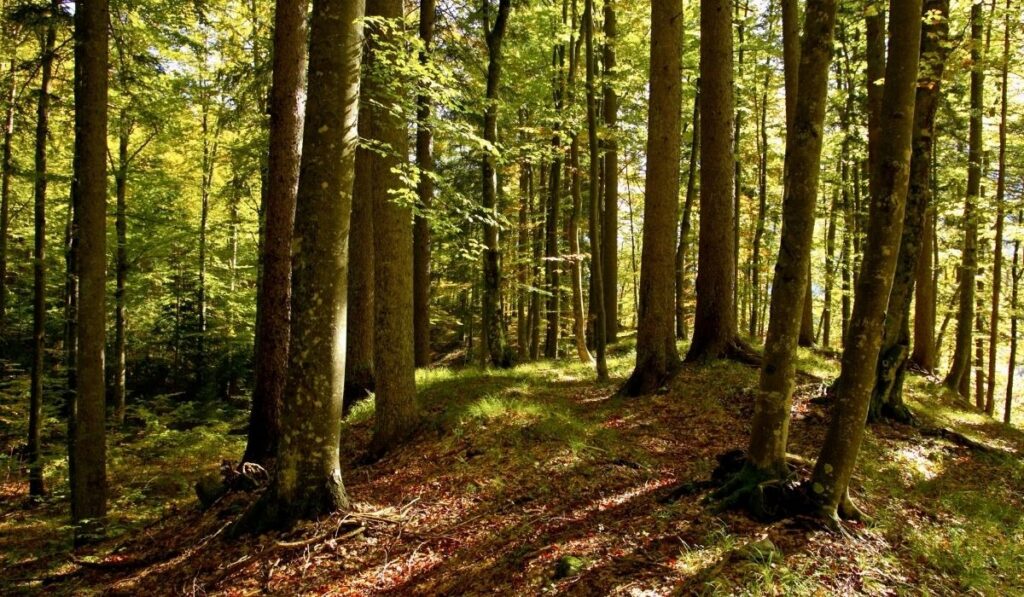
Ecologists confirm that ancient woodland stores more biodiversity than young forests. An ancient woodland with one large ancient tree supports complex soil systems that younger trees and new trees take decades to recreate.
11. Natural Filtration
Yards protect rivers. Studies confirm that trees improve water quality because tree roots filter runoff before it reaches storm drains. That filtration reduces sediment entering local waterways.
12. The Shedding Process
Some species feature smooth orange bark. In certain climates, that smooth orange bark sheds annually. Others, like eucalyptus, display striking rainbow coloured bark after shedding.
13. Fruit & Sustenance
Productive landscapes matter. Apple trees produce nutritious tree’s fruit for families and wildlife. Beyond orchards, trees provide food in natural habitats, including coastal zones where mangrove trees support fisheries.
14. Tree Communication
Trees share resources underground. Through fungal networks, roots pass nutrients to other trees during stress. Under drought, a tree sometimes produces tiny lateral branches or shows stressed tiny lateral branches, signaling shifts in the natural world.

15. Stress Reduction
Access to green space changes health outcomes. People with views of nearby trees report lower blood pressure and better focus. In our experience, shaded streets genuinely reduce stress, and in return, trees repay communities with cleaner air and calmer neighborhoods.
The Life Cycle: From New Trees to Necessary Removal
Trees grow, mature, and eventually decline, just like we do. Understanding that cycle helps us make better decisions about the trees on our property. Some need our help to thrive, others need our courage to let them go safely.
Planting for the Future
Smart tree planting starts with choosing the right spot for the right species. We encourage planting trees that will fit your space when they reach full size. Different tree species have different needs for sun, soil, and room to grow.
Good early tree growth depends on those conditions matching what the tree wants. Every tree follows its own life cycle from seedling to senior. The us forest service estimates that America needs billions more trees in urban areas.
Even the forest service cannot plant them all. That job falls to us. Imagine adding a trillion new trees worldwide. The climate impact would be enormous.
Identifying a Dying Tree
Spotting problems early saves headaches later. A dying tree often shows thinning leaves or dead branches at the top. Dead trees lose bark in patches and grow fungus on the trunk. Piles of dead wood around the base signal internal decay.
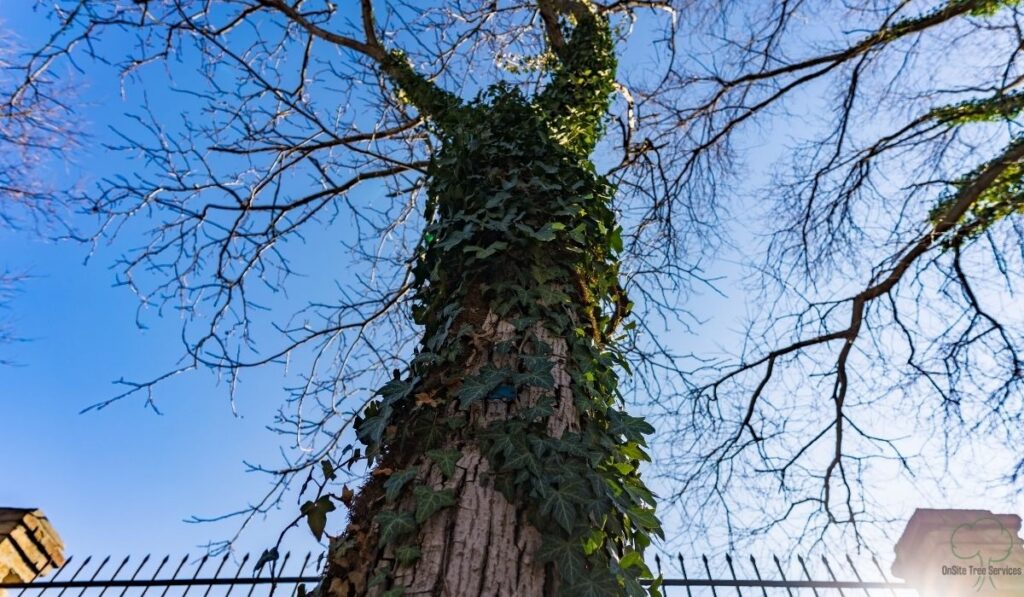
Sometimes, the tree produces tiny lateral branches along the trunk as a last attempt to leaf out. That sounds hopeful, but it actually means the main branches are failing. We’ve seen homeowners wait too long, hoping for recovery that never comes.
Responsible Removal
Taking down a tree feels like admitting defeat. But sometimes, it’s the right call for safety. Many old trees carry cultural and historical significance for families who planted them generations ago. They connect our physical and spiritual worlds in ways that matter deeply.
We approach every removal with respect for that mature tree and what it represents. The goal is always to remove only what is dangerous and keep the rest standing as long as possible.
Stump Management
Leftover stumps cause more trouble than people expect. A tree stump left in the ground attracts insects that can spread to healthy other trees nearby. Termites and beetles love rotting wood.
Grinding the stump below soil level prevents those problems and frees up space for new planting. We always recommend dealing with stumps sooner rather than later.
Final Thoughts
Here is the bottom line. Fort Wayne homeowners hold the health of our local canopy in their hands. The facts about trees we shared show just how much tree cover matters. Many trees are counting on us to keep them standing strong.
Trees absorb carbon dioxide every single day, and improve water quality with every rainfall. Simple actions like proper tree planting and regular care protect all those benefits.
Right here in Fort Wayne, we can make a difference together. Visit our homepage to learn more about keeping your trees healthy for years to come.