

TL;DR: Your homeowners’ insurance typically covers a fallen tree only if it hits a covered structure like your house or garage due to a covered peril like wind.
The policy covers removal of the tree from the structure and may help with cleanup, but it won’t pay for a tree that simply falls in your yard.
Wind and hail damage accounted for over 41% of all homeowners’ insurance policy claims in 2024, a number that keeps growing as storms intensify. For us in Fort Wayne, that often means one thing: tree damage.
From our experience, this leaves many homeowners staring at a fallen tree and asking one urgent question: Are trees covered by insurance in Fort Wayne?
This guide will explain how your home insurance coverage works for property damage from trees, walking you through common scenarios and what to expect from your insurance company.We’ve previously broken down the insurance term act of god. After this, read our surprising facts about trees on your property. This entire guide is part of our discussion on Indiana tree law.
Short Summary
- Homeowners insurance steps in for fallen trees from covered perils like strong winds or lightning strikes, but only if they hit an insured structure such as your house or detached garage.
- Neighbor’s tree falls? Your policy covers the mess on your side; subrogation might chase their dime later.
- Dodge denied tree damage claims with preventive measures—trim rotting trees early to keep coverage solid.
- Debris removal caps at $500–$1,000 per tree, so snap photos and file a claim quickly after a downed tree strikes.
Common Scenarios — When Does Homeowners Insurance Cover Tree Removal?
Tree damage claims feel confusing because coverage depends on details most people never notice until a storm hits. The good news is, patterns show up again and again.
Below are the situations we see most often when homeowners’ insurance steps in and when it stays hands-off.
The “Covered Structure” Rule
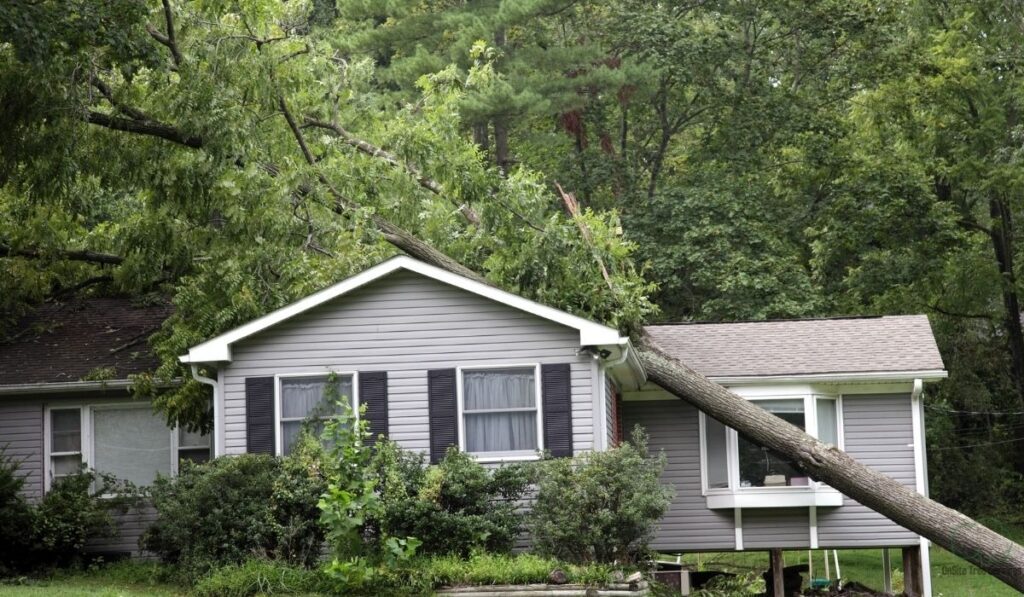
Insurance usually cares about one thing first: did the tree hit a covered structure? A tree hits coverage when it strikes an insured structure, such as the house, a detached garage, a fence, or another structure listed on the policy.
When impact happens, insurers often view that as caused damage tied to a covered event.
For instance, a maple crashes through a roof during a storm and punches a hole into the attic. That damage to the house usually triggers coverage. Compare that to a tree tipping over in the yard without touching any other structure. In that case, removal often comes out of pocket.
What Counts as a Covered Peril?
Coverage also depends on what caused the fall. A covered peril includes events like wind, strong winds, or a lightning strike. Sudden acts of vandalism fall under malicious mischief and may qualify as a covered loss.
As an example, a thunderstorm snaps a healthy oak in half. That damage caused by wind typically qualifies. On the flip side, slow decay without a triggering event often causes denials, even after a storm.
When a Fallen Tree Blocks Access
Some policies help when a fallen tree blocks access. That matters for a blocked driveway, emergency entry, or required ADA access. Even if no building was hit, insurers may pay for removal when access is cut off.
We see this approved when a fallen tree prevents safe exit after a storm or when property falls under local access rules.
Debris Removal Coverage Limits
Most policies include debris removal, but the fine print matters. Tree debris removal often has limited coverage, commonly $500 to $1,000 total. That limit usually applies to one tree, not every branch.
For example, cleanup after a storm might cover the cost to clear debris from the roof, yet leave stump grinding uncovered. Coverage limits make this one of the biggest surprises homeowners face.

Neighbor Disputes — What Happens When a Neighbor’s Tree Falls?
Trees ignore property lines. Insurance rules do not. When a neighbor’s tree falls, responsibility follows where the damage lands, not where the trunk grew.
Whose Policy Pays?
In most cases, damage goes through your homeowners’ policy when a neighbor’s tree damages your property. Ownership matters less than location. If the tree crosses into your yard and hits your roof, your insurance usually handles it.
As a practical example, a limb drops from a tree rooted on the neighbor’s property but damages your shed. Your policy handles the repair first.
When a Neighbor Can Be Held Liable
Liability shifts only with proof. Neighbor’s tree damages claims require showing negligence, such as ignored rotting trees or prior written warnings. An insurance agent often asks for photos, arborist notes, or old emails.
For example, repeated notices about a dead tree near a neighbor’s house can support a claim later.
The Process Called Subrogation
After paying you, insurers may recover costs through the process called subrogation. The insurer works directly with the insurance company on the other side. Homeowners do not manage this step or chase payment.
In short, you get repairs done first. The insurers sort out who should pay later.
The “Maintenance Gap” — Why Tree Claims Are Often Denied
This is where many claims quietly fall apart. Insurance draws a hard line between sudden events and long-term neglect, and that gap catches people off guard.
Negligence vs Acts of God
Storms get blamed fast, yet a storm alone does not seal approval. Claims often fail when rotting trees or decay existed before the weather hit. A felled tree caused by internal rot may not be covered, even after heavy wind.
We have seen situations where inspectors pointed to hollow trunks and fungal growth. In most cases, insurers rule that the tree already posed a risk. Coverage is typically only when a healthy tree falls due to a sudden event that clearly caused damage.
A good rule of thumb: Maintenance records help. Photos taken months earlier can change outcomes.
Landscaping and Valuable Trees
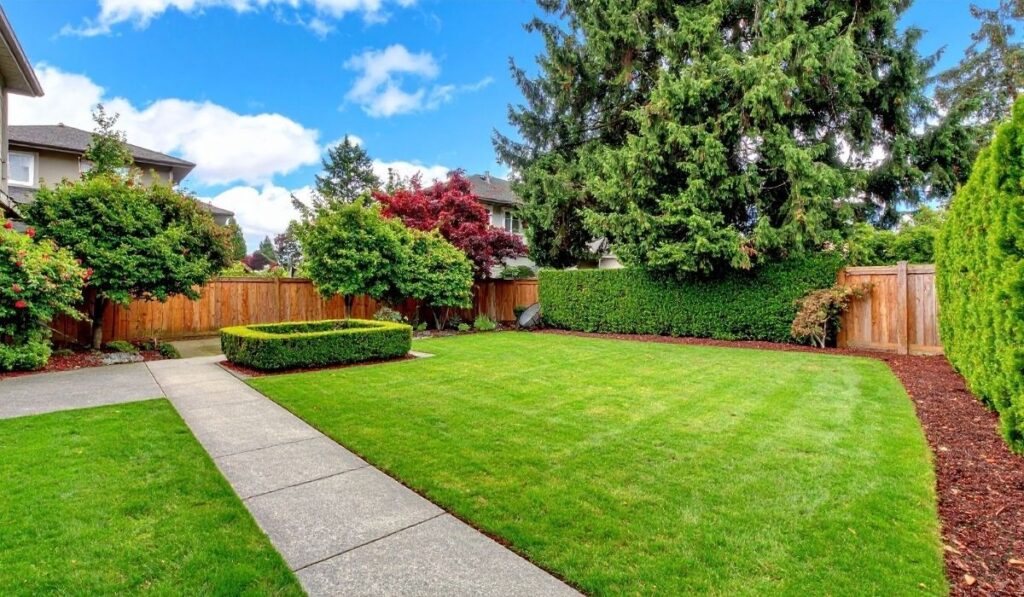
Policies also limit payouts for landscaping. Valuable trees, decorative plants, and shrubs fall under separate policy terms with caps. Replacement value surprises many homeowners.
For instance, a $3,000 ornamental tree may receive only partial coverage, even when damaged during a covered event. Reading how much coverage applies to landscaping avoids frustration later.
Factoring in the Tree Removal Cost in Fort Wayne
Tree work pricing varies widely, and understanding the drivers helps homeowners plan ahead.
Local Tree Removal Cost Factors
The cost of tree removal depends on height, trunk diameter, and access. A tall oak near a roof takes longer than a backyard maple. Add power lines, and prices rise fast.
We often explain that emergency removal after a storm costs more, especially when a downed tree threatens property or blocks access. Crews, equipment, and safety measures all factor in.
Why Professional Tree Services Carry Heavy Insurance
Professional crews carry serious coverage for a reason. Their insurance policy protects homeowners if equipment slips or limbs hit structures.
For example, if a branch causes property damage during removal, the insurer steps in to cover damage caused. That protection shields homeowners from surprise liability.
Step-by-Step — What to Do After a Tree Hits Your Property
Panic helps nobody. A clear plan keeps claims moving and prevents bigger problems.
Step 1. Safety Comes First
Distance matters. Stay clear of power lines and treat every downed tree as live until confirmed safe. Serious injuries happen when people rush after a fall.
Step 2. Document the Damage
Photos matter more than opinions. Capture wide shots and close-ups of damaged trees, visible tree damage, and surrounding property damage before cleanup. These records support the decision to file a claim.
Step 3. File Claims and Call Professionals
Speed helps. Contact insurance and a licensed tree service at the same time. This parallel approach helps homeowners learn what the policy covers while crews assess risk and scope. Every claim moves faster with clear documentation.
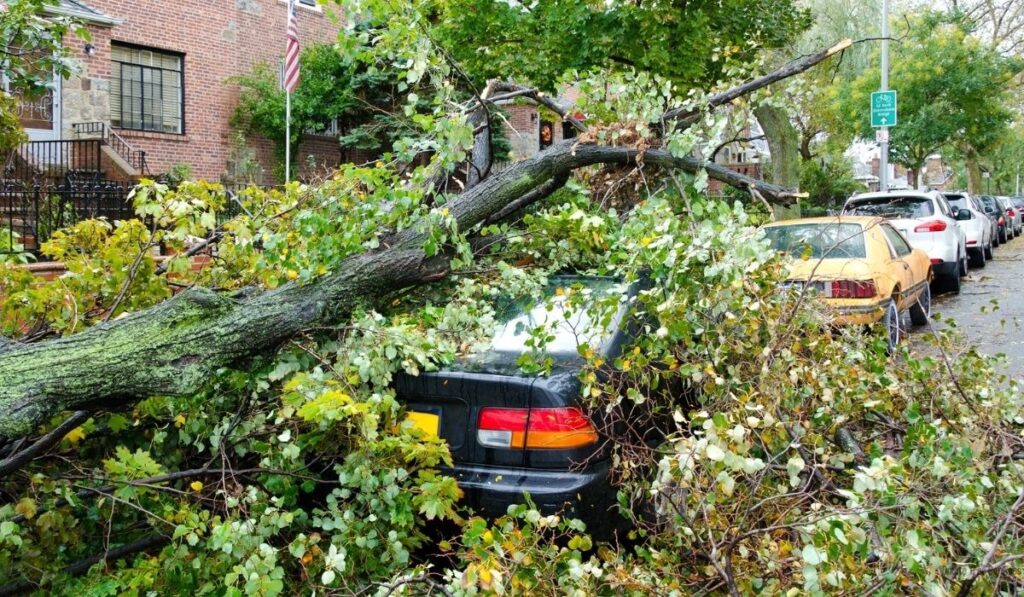
When a Tree Hits a Vehicle
Cars fall under auto rules. Damage usually runs through comprehensive coverage on the auto policy, not the home side. Knowing that detail saves time and phone calls.
Final Thoughts
Tree damage feels sudden, but smart preventive measures lower the risk long before storms roll in. Regular inspections help homeowners spot weak limbs and aging roots early, which supports smoother insurance outcomes and clearer coverage decisions.
Protecting your property starts with knowing the condition of every tree on it and acting before trouble shows up. Professional assessments can help cover damage caused by surprises that slip through.
Your reward is a clear, smooth yard surface and the satisfaction of a job done right.
For practical guidance and resources, visit our homepage and stay one step ahead.
Frequently Asked Questions
Disclaimer: This article is for general informational purposes only and does not constitute legal, insurance, or professional advice. Policies, laws, and circumstances vary, and readers should consult qualified professionals before making any decisions. OnSite Tree Services is not responsible for any actions taken or not taken based on the information provided and assumes no liability for errors, omissions, or outcomes related to this content.