


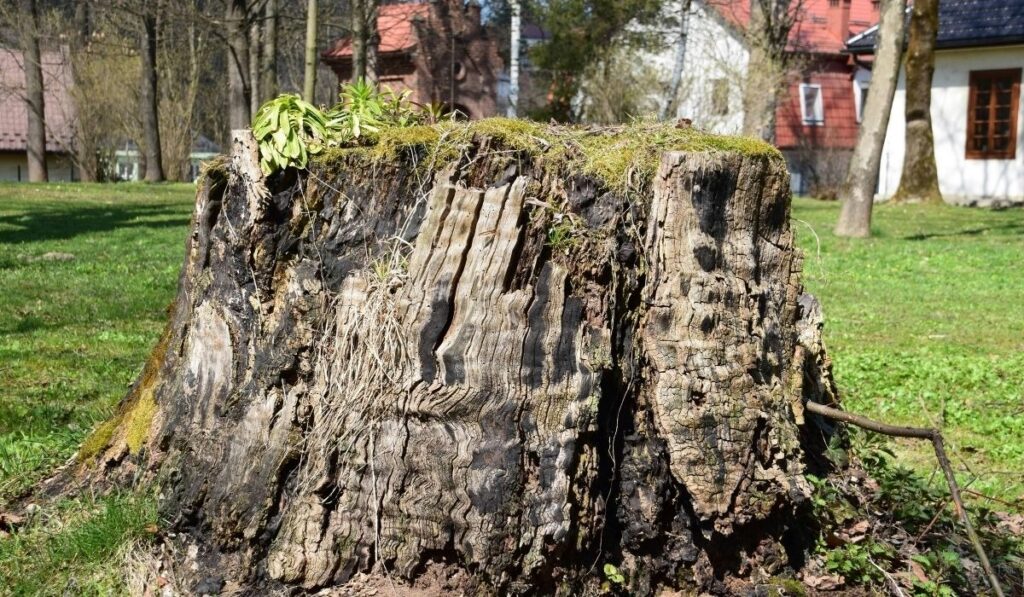
A leftover stump in your yard does more than just sit there. It becomes a tripping hazard, an eyesore, and an open invitation for pests to move in. That dead wood takes up space where your lawn or garden could be thriving.
University of Illinois Extension research shows chemical treatment can speed up stump decomposition by about 25%, and with the right conditions like moisture and soil contact, that rate can climb to 50% faster than natural decay.
From our experience, many homeowners turn to a potassium nitrate stump remover in Fort Wayne hoping for instant results, but that isn’t how this method works.
This article walks you through the chemistry behind the process, the exact steps to apply it, a realistic timeline for results, and when to call in a professional instead. We cover tree stumps of all sizes, from small softwoods to tough hardwoods that resist breakdown.
Our goal is to give you a clear picture of what stump removal with potassium nitrate actually looks like so you can decide if this DIY route fits your needs and your patience level.
For a deeper look at natural options, check out our guide on how to kill a tree stump naturally. If you’re curious about other chemical approaches, we have a post on how to remove a tree stump with epsom salt.
And for a complete overview of all your options, our main pillar post on how to get rid of a tree stump covers everything from start to finish.
Short Summary
- Potassium nitrate stump remover speeds up natural decay in tree stumps without dissolving the wood.
- Small stumps often soften in 4 to 8 weeks while larger ones need more time and care.
- Proper drilling, watering, and covering deliver the best results for stump removal.
- Always prioritize safety and skip burning treated stumps completely.
- Professional grinding offers a fast alternative when you need the yard clear right away.
How Potassium Nitrate Speeds Up Stump Decay
We see plenty of tree stumps left behind after removal jobs in Fort Wayne. Homeowners want them gone fast, yet nature takes its sweet time with decomposition.
The Natural Decomposition Timeline
An untreated stump sits there for years. Many take 5 to 10 years to break down on their own in our local soil conditions. Factors like stump size, wood type, and weather play a big role. An old oak stump, for example, can barely show any change for the first three seasons.
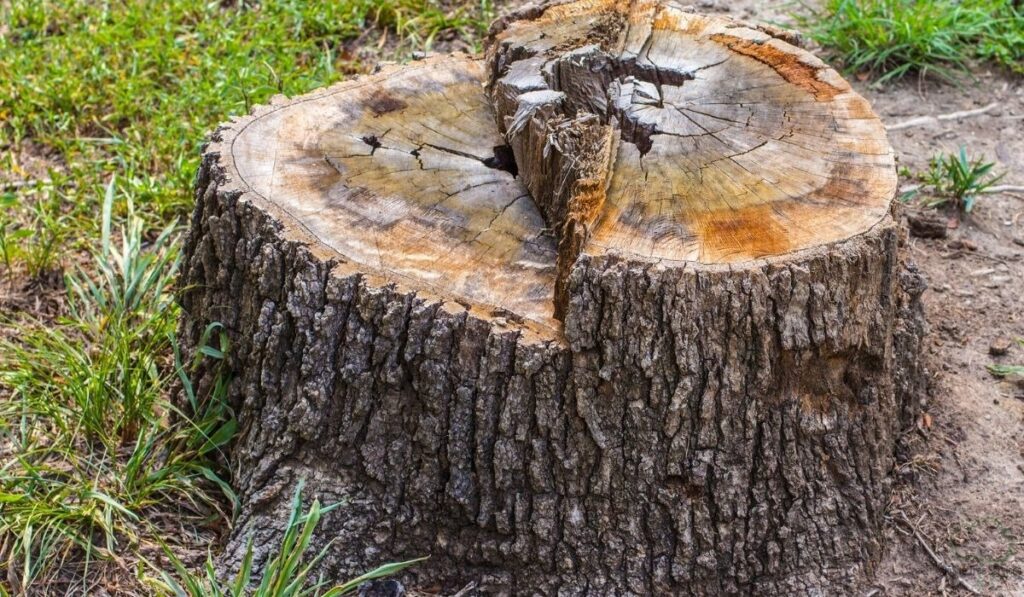
How Nitrogen Feeds Decay-Causing Bacteria and Fungi
Potassium nitrate works as a smart booster. It floods the wood with nitrogen, and this extra nitrate feeds the bacteria and fungi already at work on the stump.
Mind you, the chemical doesn’t dissolve anything itself. It simply speeds up the natural decomposition process that happens anyway. Think of it as handing the microbes an all-you-can-eat buffet.
One homeowner told us his stump showed visible softening after consistent moisture and warmth. The feeding action really kicked in!
Potassium Nitrate vs. Magnesium Sulphate (Epsom Salt)
People often mix up these two options. Magnesium sulphate, or Epsom salt, mainly pulls moisture out of the wood. This drying effect can help some decay start.
Potassium nitrate takes a different path. It actively supports the organisms breaking down the stump’s cell structure. The difference matters for results.
We recommend potassium nitrate when you want to encourage biological decay instead of just drying things out. Both have their place, yet they deliver distinct outcomes.
Step-by-Step: How to Apply a Potassium Nitrate Stump Remover
This method delivers solid results when you follow each part carefully. We’ve guided many Fort Wayne neighbors through it. The process rewards patience and attention to detail. Here’s exactly how we suggest you tackle it safely.
Step 1: Prep the Stump Surface
Start with a clean workspace. Clear away rocks, loose bark, and extra soil from the base. Cut the stump down close to ground level with a chainsaw if it still stands tall. A flat surface helps everything work better.
Also, tall grass and debris blocks proper contact, and can stall your project. Take time here for the best outcome.
Step 2: Drill Deep Penetration Holes
Grab a spade bit of at least 1 inch in diameter. Drill vertical holes 3 to 4 inches apart. Make them 8 to 12 inches deep. Add some angled side holes that connect near the bottom.
This setup creates a strong internal pathway for the chemicals. Space matters. Closer holes speed things along on larger stumps. Wear proper eye protection and work steady.

Step 3: Pack and Hydrate the Chemical Chambers
Fill each hole about three-quarters full with potassium nitrate granules. Pour hot water over the top next. The heat helps dissolve the material and carry it into the wood fibers.
Repeat the water addition for the first few days. This step turns the stump into an active zone for decay. We noticed faster softening when the mixture is kept moist. But make sure to do it without flooding the area.
Step 4: Trap the Moisture
Cover the treated stump with a heavy dark tarp or upside-down bucket. Weight down the edges so it stays put. Darkness and damp conditions boost the breakdown process.
Check the setup every week or so. Add more water if things dry out. Keep the whole setup covered for the full period and you’ll come back to a much softer stump, ready for easier removal.
These steps make stump removal straightforward. Follow them in order and you set up strong conditions for success.
How Long Does It Take for a Treated Stump to Rot?
Results vary based on conditions. We track many treated stumps in Fort Wayne, and we can say that patience pays off with this method.
Small vs. Large Stump Timelines
Small stumps under 12 inches across usually soften in 4 to 8 weeks. You can often break them apart by hand after that time. Larger ones need more patience.
We saw a 10-inch maple stump crumble nicely after six weeks of steady summer moisture. Size makes a real difference in the timeline.
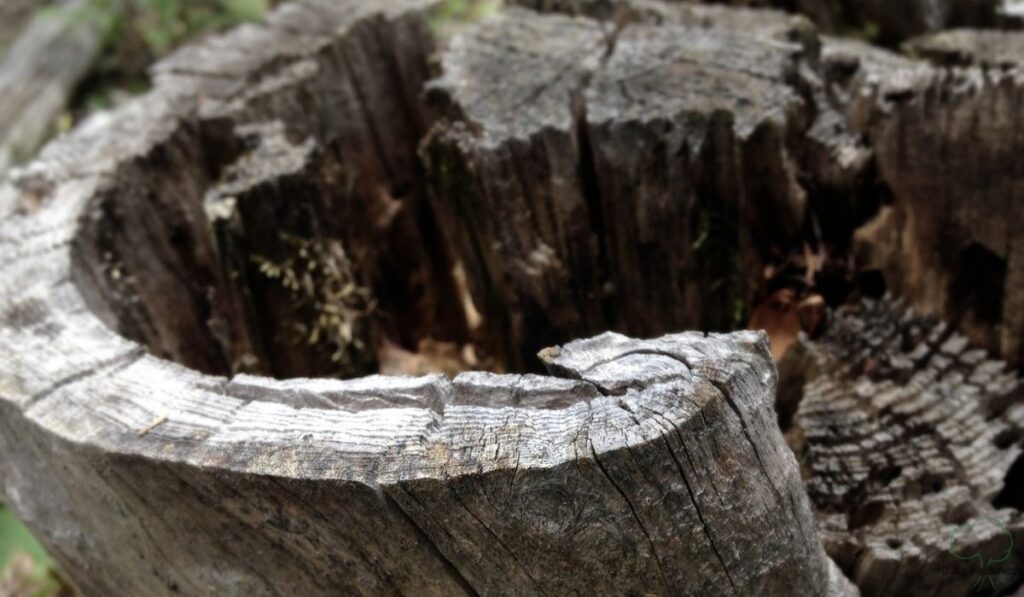
Why Some Hardwood Stumps Resist Treatment
Dense hardwood stumps hold up longer. Living roots that still pull moisture slow things down even more. The entire stump may take well over a year to fully rot in tough cases.
We’ve watched stubborn oak stumps resist quick change. Extra care with water and coverage helps move the decomposition along.
Safety During the Waiting Period
Potassium nitrate acts as a concentrated salt. Keep it away from kids and pets during the full treatment window. It can harm nearby lawn grass, too.
Apply during warm summer months for best action. Check the area weekly. One family we worked with used a temporary barrier around their dead stump. Simple steps protect everyone.
Why You Should Never Burn a Chemically Treated Stump
Safety comes first with any chemical approach. We always warn folks about this step. It avoids real trouble down the line.
The Oxidizer Risk
Take note of this: potassium nitrate serves as a strong oxidizing agent. Manufacturers use it in some fertilizer products. Lighting a treated stump on fire creates heavy smoke.
It can also spark an underground root fire. The material doesn’t just vanish. Keep in mind, improper burning can lead to extra cleanup.
The Risk for Fort Wayne Yards
Underground fires smolder for days in our area. They spread under lawns and damage nearby plants and landscaping. And with the tightly spaced residential yards in Fort Wayne, it certainly raises the stakes.
Local open-burning rules may apply, too. A quick chat with neighbors prevents headaches. Skip the burn entirely after treatment.
DIY Chemical Treatment vs. Professional Stump Grinding
Both paths work for stump removal. We help homeowners pick the right one every week. Consider your situation first.
Cost, Time, and Labor at a Glance
Here’s a clear side-by-side view. It shows what to expect from each option.
| Attribute | Chemical DIY Method | Professional Stump Grinding |
| Upfront Cost | $20–$60 for chemicals | Moderate service call fee |
| Time to Complete | 4 weeks to over a year | 15–45 minutes |
| Post-Treatment Labor | Manual digging and breakup | Full reduction to wood chips |
| Regrowth Risk | Higher if roots survive | Roots fully eliminated |
When Grinding Is the Smarter Call
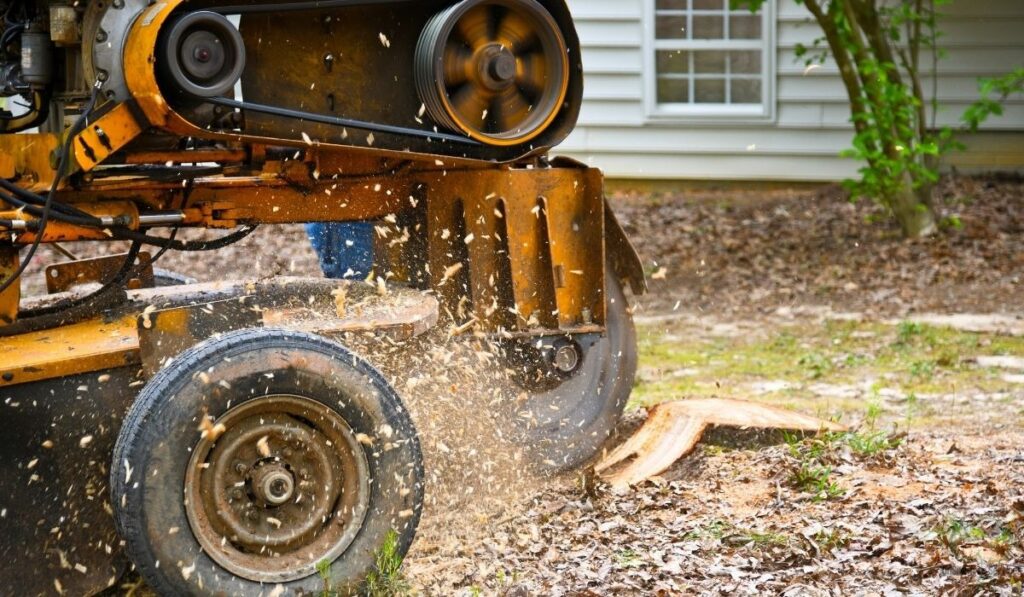
Need the space clear fast? Professional stump grinder service handles it the same day. This fits well for new sod, a garden bed, or a kid’s play area. No chemicals sit in the yard for weeks.
We grind out roots completely and leave clean wood chips behind. Many families choose this route when time matters most. It saves future digging effort, too.
Final Thoughts
Potassium nitrate gives homeowners a real, low-cost path for stump removal. It breaks down tree stumps over time and works safely when you follow the steps.
The method rewards patience more than speed. Quick action rarely fits every yard situation.
Many folks in Fort Wayne prefer to handle things themselves. Others want the job done right away. We stand ready either way.
Head over to our homepage and see what fits your needs. Reach out for a stump grinding estimate if you would rather skip the wait.