


Recent statistics show that around 100 to 150 people lose their lives each year in the U.S. due to trees or limbs brought down by high winds and severe storms. That puts the average risk close to 1 in 5 million!
Not really a cause for panic, but remember, every event carries real consequences for a family. And in our experience, most incidents don’t just happen out of nowhere. Warning signs often appear long before a death or serious injury occurs.
This guide breaks down tree falling on house deaths per year in Fort Wayne, what drives these fatalities, and how homeowners can reduce risk before the next storm hits.
If you’re looking for deeper facts about trees, we covered that in a previous article. Questions like does homeowners’ insurance cover fallen trees are answered in our next guide. For broader legal context, explore our post on tree law.
Short Summary
- Roughly 100 to 150 people die each year from falling trees in the U.S. The number spikes during major storms.
- Your individual risk sits around 1 in 5 million annually. Low probability, but the consequences hit hard.
- Most hazardous trees show warning signs before failure. Ground decay, dead branches, and sudden leans signal trouble.
- Professional tree work reduces risk significantly. DIY attempts lead to hundreds of injuries yearly.
- Insurance typically covers damage when trees hit your house during storms. Negligence changes that equation.
- Regular inspections catch problems early. March offers the perfect time for assessment before spring storms arrive.
Tree Falling on House Deaths per Year: What the Data Shows
Before we climb any ladders or fire up the chainsaws, we need to look at the actual numbers. The data tells a clear story about when and why these tragic events occur.
The Numbers Behind Tree Fall Fatalities
Research from the National Storm Damage Center and other tracking organizations shows that roughly 100 to 150 people lose their lives each year to falling trees or limbs in the U.S.
That number includes fatalities from direct hits while inside homes, in vehicles, or outdoors during storms.Let’s get real for a second. When you consider the total number of accidental deaths each year in America, these cases represent a tiny fraction.
Think of it this way: millions of people live near mature trees their entire lives without incident. The average homeowner never experiences this type of loss.
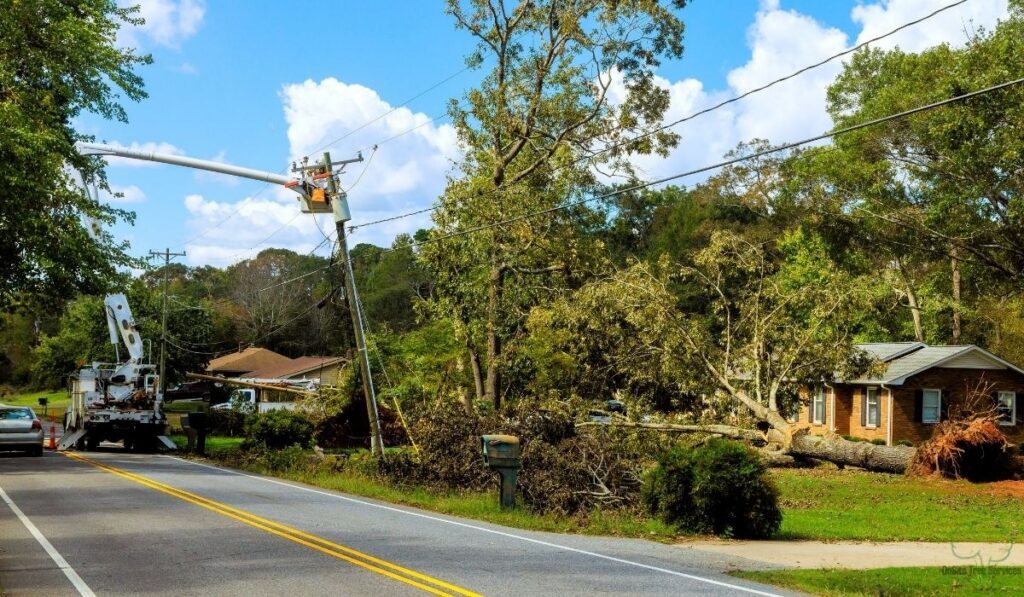
But here’s what the numbers reveal that matters. The risk spikes dramatically during severe weather events. Most tree fall fatalities happen during high winds and major storms. We see clusters of incidents when hurricanes roll through or derecho events sweep across the Midwest.
Risk Comparison: Lightning, Sharks, and Falling Trees
How does this compare to other things that scare us? Your chances of dying from a falling tree sit right around 1 in 5 million annually. For context, lightning strikes kill about 20 to 30 Americans each year. Your odds of shark attack fatalities sit at roughly 1 in 4 million.
The comparison matters because we want you thinking clearly about actual risk. You probably don’t cancel beach trips over sharks. Similarly, you shouldn’t lose sleep over trees.
But here’s the twist. When trees fail, the impact on a single family proves devastating. Low probability meets high consequences.
Real-Life Example: How Fast It Can Happen
Remember the WSB TV coverage of Harvey Hillman Sr.? He was a 65-year-old man who was tragically killed by a falling tree in his own yard in January 2021. He wasn’t doing heavy labor; he was simply walking to his truck to head to work when a massive limb came down.
That story sticks with us because it shows how quickly normal situations escalate. One minute you’re cleaning up twigs. The next minute emergency crews are working frantically. These events don’t announce themselves. They just happen.
Identifying Hazardous Trees: Signs Your Yard is at Risk
Here’s where we shift from national data to your backyard. Most tree fall incidents involve trees that showed warning signs beforehand.
Learning to spot unhealthy trees in your yard gives you power to prevent problems. Let’s walk through what we look for during inspections.
Ground-Level Warning Signs

Start your assessment at the bottom and work up. The ground around your tree tells stories if you pay attention. We look for fungal growth like mushrooms, clustering near the trunk base. Those indicate decay deep within the roots or heartwood.
Cracked or raised soil on one side of the tree suggests root failure or structural shifts. For example, a tree with a slight lean and the ground actually lifting on the opposite side. Can mean the roots had begun separating from the soil. That means the tree needs to be removed, pronto!
Another red flag appears when you notice actual rotting wood at the base. If you can poke a screwdriver several inches into the trunk near ground level, internal decay has progressed significantly. Unhealthy root systems can’t anchor large trees during wind events.
Canopy and Structural Red Flags
Look up next. Dead branches scattered through the canopy signal trouble. Not the occasional dead limb, but multiple dying sections throughout the tree.
Pay special attention to branches hanging at odd angles or those with no leaves when surrounding trees show full foliage.
Consider a recent inspection we performed.
The homeowner mentioned occasional debris dropping from one large oak. Upon closer examination, we spotted several major limbs with cracks at the attachment points. Those branches would’ve failed during the next thunderstorm.
Hanging or broken limbs caught in the canopy act as warning beacons. They tell us the tree has already started failing. Debris accumulation on the ground beneath specific areas often pinpoints where problems exist overhead.
Tree Size, Lean, and Stability Factors
Size matters, but not how most people think. A small tree with a 12-inch diameter can still cause serious damage if it falls on your bedroom. The risk actually increases with certain species and growth patterns.
Leaning trees deserve special attention. Some species naturally grow at angles and remain perfectly stable for decades.
But here’s the catch: A tree that recently developed a lean or shows increasing angle over time spells trouble. We measure these changes and monitor soil conditions at the base.
Soil shifts from heavy rain or drought affect stability. After prolonged wet periods, the ground saturates and loses holding power. That 60-foot oak standing for generations might suddenly let go when the earth softens enough.
When to Call an Arborist
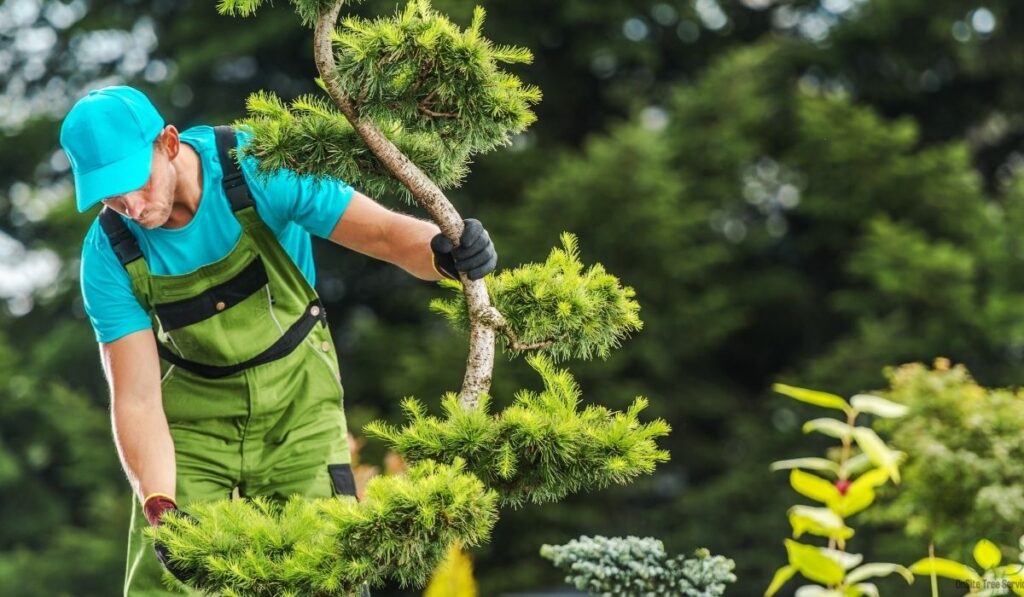
Unfortunately, most people wait too long to schedule an inspection. They call us after hearing a crack during a storm or noticing a limb hanging by bark strips. By then, options narrow considerably.
We recommend scheduling an arborist to inspect your property every two to three years. March works perfectly for this in the Midwest. The ground thaws, leaves haven’t emerged yet, and we can see branch structure clearly before spring storms arrive.
The cost of a professional assessment runs a few hundred dollars typically. Compare that to roof replacement or worse.
Anybody with large trees near living spaces should put this on the calendar. We can’t tell you how many times we’ve identified hazards homeowners walked past daily without noticing.
Managing Tree Trimming Accidents and Occupational Safety
Tree work looks easier than it actually is. We get calls all the time from folks who watched a few YouTube videos and figured they could handle that hanging limb themselves. The reality: Even small trimming jobs carry serious risks.
Let’s talk about why we leave certain tasks to the pros.
Why DIY Tree Work Is Dangerous
The emergency room sees plenty of people each year from weekend tree projects. Common injury patterns include chainsaw cuts to legs and arms. Falls from ladders account for another big chunk. Then you have the folks hit by branches they just cut.
Here’s a scenario we see too often: A homeowner rents a ladder and tries to cut a limb hanging over their garage. The branch swings down, knocks the ladder sideways, and suddenly they’re on the ground with a broken wrist. All to save a few hundred bucks.
Most DIYers lack the proper gear for safe work. They use house ladders instead of rated extension ladders. They run chainsaws from awkward angles without proper footing. They have no hard hat or eye protection.
The time spent recovering from one mistake far exceeds the time a professional would need.
OSHA Data and Industry Risks
The Occupational Safety and Health Administration tracks workplace accidents closely. Their data shows tree trimming and removal ranks among the most dangerous jobs in America. The fatality rate for forestry and logging workers sits about 30 times higher than the average worker.
Each year, hundreds of workers suffer serious injuries on the job. And we’re not talking about paper cuts.
We’re talking crushed limbs, spinal damage, and worse. The health administration numbers don’t even count the homeowners who skip reporting their DIY mishaps.
Industry risks multiply when you factor in the variables. Tree weight distribution changes as you remove sections. Rot pockets hide inside seemingly solid wood. Wind gusts appear from nowhere. Every single kind of tree job carries unique challenges.
How Professionals Reduce Risk
Watch our crew work sometime and you’ll notice the gear. That bucket truck alone transforms safety. Instead of balancing on a ladder 40 feet up, our guys stand securely in a reinforced platform. They wear full harnesses connected to multiple attachment points.
We follow specific protocols for every job. Before anyone climbs, we assess the tree’s condition and plan the cut sequence. We establish drop zones where no one enters during operations. Ground crew members maintain constant communication with the climber.
Here’s something folks rarely consider. Professional equipment costs tens of thousands of dollars. That truck with the aerial lift runs six figures new. The ropes, saddles, and rigging gear add thousands more. Homeowners simply can’t match this setup with rental equipment.
Protecting Your Home and Financial Future
A tree through your roof creates chaos fast. Beyond the immediate danger, you face repair bills, insurance questions, and weeks of disruption. Understanding your coverage beforehand saves major headaches later.
Does Insurance Cover Tree Damage?
Standard homeowner’s policy language typically covers damage when a tree falls on your house or attached structures. If that maple lands on your bedroom during a storm, your policy should respond. The key word there is “should.”
Coverage depends heavily on circumstances. Storm damage from high winds or heavy snow usually qualifies.
But consider this situation. A tree dies slowly over two years, drops branches regularly, and finally falls on your garage. The adjuster might ask why you ignored obvious decline.
Negligence changes everything. If we inspect your property and find a rotting tree with clear signs of failure, and you do nothing, that knowledge matters. Insurance companies ask tough questions when preventable losses occur.
Understanding Deductibles and Claims
Every homeowners policy carries a deductible. That number typically ranges from $500 to several thousand dollars. You pay this amount before coverage kicks in. Read your policy carefully because some companies apply separate wind and hail deductibles.
Let’s run through a typical claim. A large limb punches through your roof during a July thunderstorm. Water pours into the bedroom below. Your deductible applies, and the insurer covers the remaining repair costs minus depreciation. Simple enough.
But here’s the tricky part: If the tree lands in your yard without hitting anything, most policies pay nothing for removal. Some include small amounts like $500 for cleanup. Others require the tree to damage an insured structure first.
Proactive vs Reactive Costs
Money talks in these conversations. Preventative removal of a hazardous tree runs $800 to $1,500 for most residential jobs. Complex removals near houses climb higher. Still, compare that to thousands of dollars in roof damage repairs.
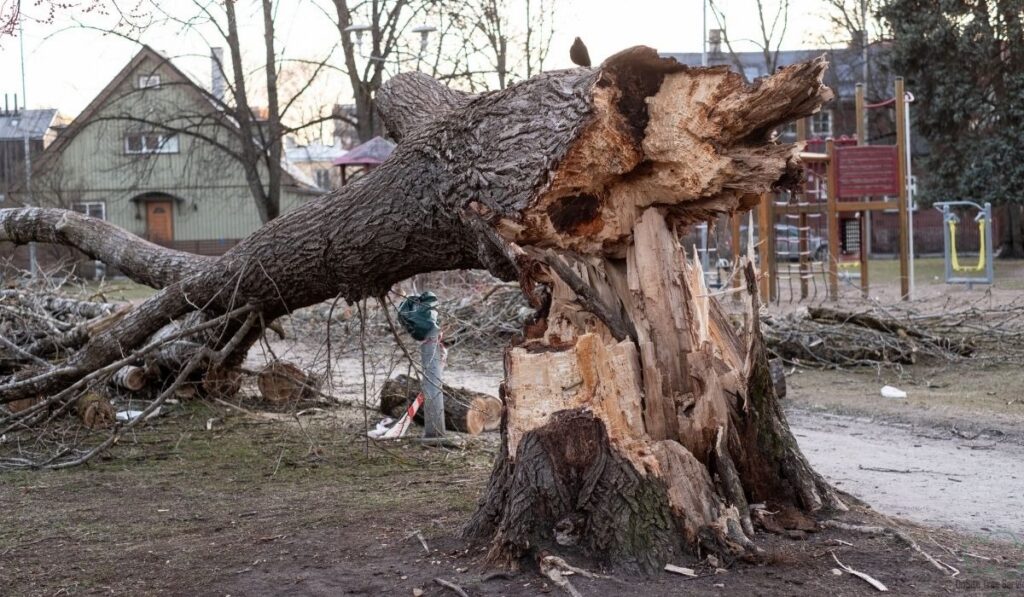
Picture a real example we handled last year. A client declined removal on a declining silver maple. The tree stood 60 feet tall with significant decay. Six months later, a spring storm brought down half the canopy. Repairs exceeded $15,000. The removal estimate had been $1,200.
We see this pattern repeat constantly. People gamble on “maybe it won’t happen to me.” Sometimes they win. But when they lose? Oh boy.
Documentation Tips for Homeowners
Paperwork matters when claims arise. We advise every client to build a photo library of their trees. Here’s what we recommend keeping on hand:
- Snap pictures every spring and fall. Capture overall shape and any concerning features like cracks or dead limbs.
- Photograph the ground around each tree. Include shots of exposed roots or fungal growth.
- Keep copies of arborist inspection reports in a safe place. If we note a potential issue and you address it, save that documentation. Insurance adjusters respond better to homeowners who demonstrate proactive maintenance.
When storms hit, follow this sequence before cleanup starts:
- Photograph damage from every angle. Take wide shots of the whole house and close-ups of specific destruction.
- Note the exact date and time. Write down weather conditions and any witness accounts.
- Contact your insurer promptly with clear descriptions and your photo documentation.
Different state regulations affect how claims process. Some mandate specific timelines for reporting. Know your local requirements before you need them.
Final Thoughts
Chances stay low that a tree will crash onto your home during the next storm. Yet one bad hit brings serious consequences for your family and property. Serious damage piles up fast when branches give way.
Proactive steps cut that risk way down. Get those trees checked now instead of waiting for dark clouds to roll in. A quick inspection spots trouble early and gives peace of mind.
Contact a trusted pro soon.
Take time to act before the weather turns rough. Your house and loved ones deserve that simple safeguard. Swing by our homepage anytime for more tips on keeping things safe. Stay ready out there!